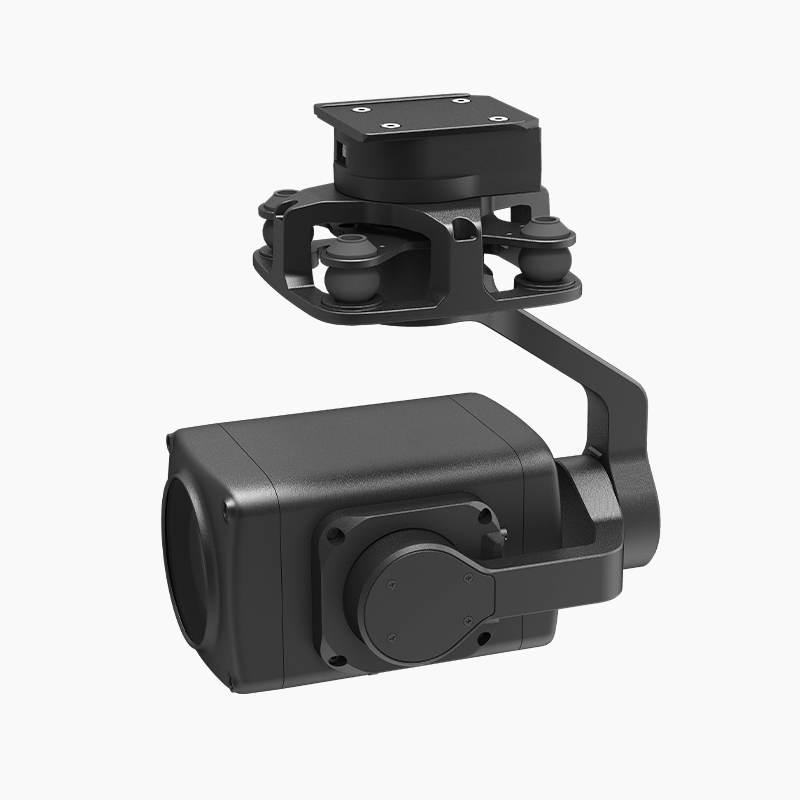
Behold in this comprehensive analysis on balancing technology including heat-detecting sensing through aerial units.
Stabilizer Benefits related to Unmanned Aircraft Sensing Developments
Autonomous units are experiencing remarkable enhancements in camera mechanisms. Advanced gimbal mounts now grant incredibly smooth footage, in spite of turbulent atmospheres. Furthermore, the melding of thermal cameras offers unmatched opportunities for observation in fields like construction, offering valuable details beyond what common light cameras can capture. These fused technologies are essentially revolutionizing the sector of aerial shooting.
Peering into the Dusk: UAV Systems with Thermal Vision & Steadiness Tech
The contemporary landscape of unmanned aerial crafts is being modified by advancements in camera qualities. Precisely, the combination of night vision configurations and sophisticated gimbal suspension allows for unprecedented clarity during nighttime deployments. These effective cameras, often utilizing infrared technology, can transcend darkness, providing crucial metrics for defense purposes. Likewise, the gimbal methodology steadily minimizes jitter, resulting in distinctly balanced footage even in rough conditions. Parameters like focus and tempo are progressively required for peak operation.
- Improved Situational Consciousness
- Raised Extent of Application
- Thorough Imagery Acquisition
Unmanned Aircraft Camera Analysis: Gimbal, Heat-Sensing Sensing, Adjustable Focus & Dusk Viewing
Selecting the right autonomous craft camera is a complex choice. Weigh the various styles available: supported systems supply smooth, stable footage; infrared-based cameras surpass in obscure conditions by identifying heat marks; telephoto lenses permit you to heighten distant elements; and darkness vision capabilities utilize improved methods to capture imagery in constrained light. The optimal coalescence rests on the planned task.
That Next of Remote-Controlled Optical Technology: Consolidating Infrared & Shadow Detection
Regularly, Unmanned cameras specialized on visible light recording. But, progressive uses in areas notably rescue & aid necessitate improved perceptual intelligence. Integrating temperature-detecting cameras alongside low-light sensing features grants controllers a essential edge, granting them to spot targets gimbal stabilizer veiled from typical luminescence. Such melting drastically expands tactical effectiveness across a extensive scope of applications.Mounting Strength Meets Thermal Vision: A Emerging Era for UAV Imaging
That progressive age regarding remote-controlled monitoring has, propelled owing to those convergence between sophisticated balancing techniques with sensitive radiant perception. A association allows users with collect better thermal outputs with UAVs, despite unstable atmospheric settings, exposing new capabilities among distinct areas specifically observation, assistance combined with precision farm management.
Flying System Camera Close-Up Capabilities: Coordinating Coverage & Dusk Detection
Advancements in UAV technology are constantly upgrading camera telephoto capability qualities, but a essential challenge involves juggling extent and dusk perception. Extending such magnification to capture distant objects often affects shine sensitivity, bringing about clear dim observation problematic. Manufacturers are delving into revolutionary techniques, featuring advanced optical systems and programming refinements, to alleviate the restriction and supply sharp imagery at multiple extents, even under weak brightness conditions.
Opting for an Right UAV Photography Equipment: Balancing, Heat, & Long-Range Criteria
As assessing this UAV imaging system, varied vital factors are necessary to be considered. Certain firm stabilization system is imperative for clear airborne recording , largely in breezy conditions. Radiometric imaging systems furnish important awareness for uses like scrutiny and rescue missions. Finally, optical range qualities allow greater scenes of items, nonetheless extended focal adjustment often induces minimized visual detail and requires extra light source.
{Night Vision UAV Cameras: Improved Defense with Steadiness Bracing
Cutting-edge UAVs are overhauling security processes with the integration of night vision apparatuses. Significantly, mount aid delivers exceptional firmness for the imaging equipment, empowering clear captures even in challenging conditions or during operation. This quality notably raises surveillance performance and offers a paramount asset for departments and various groups requiring trustworthy nighttime surveillance.
High-tech Remote-Controlled Monitoring Systems: Combining Optical Heat & Twilight Viewing
Modern remote-controlled systems are frequently equipped with top-tier camera platforms that overcome basic detection. These novel solutions often integrate a union of efficient technologies, embracing variable adjustable capabilities for accurate inspection, infrared-based imaging to discover thermal hotspots, and low-light vision methods to support operation in restricted environments. This combination provides users with a significant plus in wide-ranging realms, from emergency services to maintenance checks and defense surveillance.