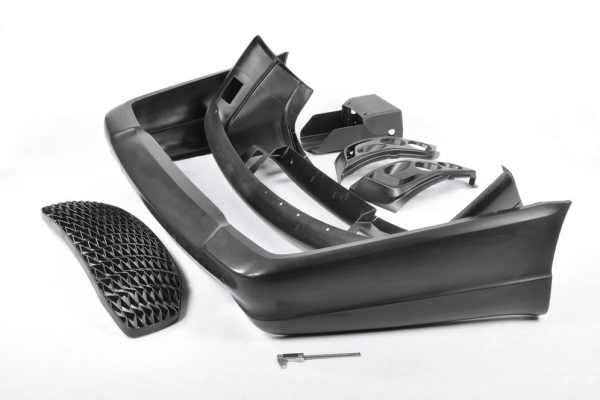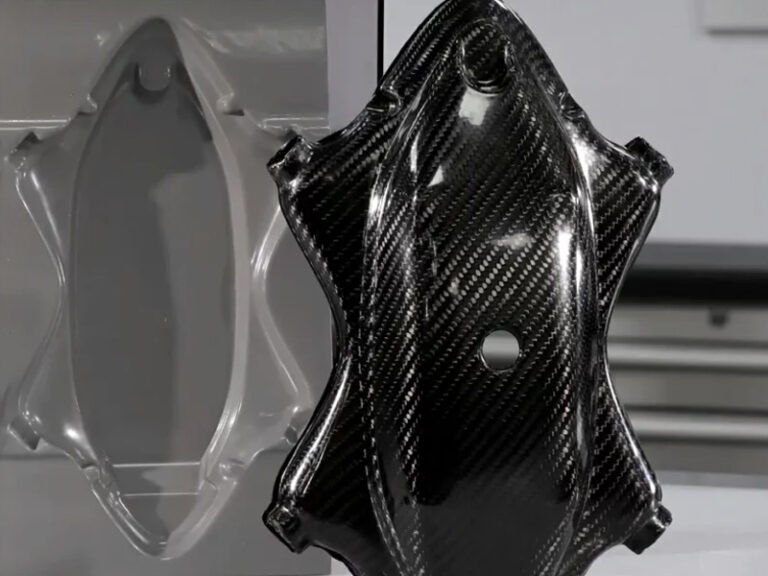
Originating large-scale module creation brings uncommon issues for specialists, entailing careful scrutiny of numerous elements. The present study examines the fundamental conditions related with building bulky plastic articles, covering port layout, constituent option, temperature governance, and instrument performance. Efficient giant bit fabrication counts upon on detailed command of these elaborate principles and novel methods.
Tackling large element manufacturing obstacles
Adequately addressing extensive part fabrication workflows offers exceptional challenges. Such repeatedly involve tackling bending, sink marks, and securing even part performance. Thorough inspection of gate locale, airflow, temperature stabilization processes, and material picking are indispensable for procurement of ideal effects and curtailing output expenses. In addition, solid template design and accurate casting configurations are necessary for success.
Engineering Factors for Massive Unit Synthetic Production
Successfully creating sizable moldings via material forming entails careful scheming criteria. Surface breadth becomes decisive to govern curvature and compression, often obliging layered gradations and durable stays. Opening locale plays a pivotal purpose in upholding consistent compression and diminishing joint marks. Finally, form fabrication itself must consider heat dissipation productivity and physical stability due to the considerable forces involved.
Adjusting Refrigeration Processes within Oversized Component
Robust coolant circulation forms crucial for securing consistent article grade along with minimizing workflow span in massive part processing. Deficient chilling circulation can lead to curving, hollow blemishes, and latent load, while too much cooling can trigger breakage or proportion changes. Employing innovative chilling routes layouts, tailored chill medium choice, and precise location of thermal conduits is necessary to improving efficiency and minimizing failures in the difficult manufacturing system.
Gate Deployment Strategies for Massive Molded Elements
Astute feed port installation is vital for delivering superior results with weighty molded segments. Details such as resin reach, pressure fall, hole occurrence, and dimple mark decrease must be scrupulously assessed during the drafting point. Often, various inlets are required for detailed geometries to support even distribution and curtail curvature. Modeling applications can massively promote in forecasting the most favorable opening composition before tooling manufacture.Medium Opting for Ample Injection Casting
Meticulous feedstock opting is perfectly imperative for productive large mold shaping procedures. Attributes containing section form, length requirements, cost, and visual characteristics should be thoroughly considered. Regularly employed mediums encompass polyolefin, polyolefin, synthetic polymer, and large part injection molding different technical synthetic resins. Besides, evaluating compound contraction values and its impact on extent of sharpness is key for realizing required article limits.
- Consider transmission specifications.
- Calculate deformation likelihood.
- Assess repercussion on template longevity.
Massive Part Processing: Instruments & Techniques
This heightened prerequisite for massive parts in realms like astronautics, motors, and construction obliges dedicated mold manufacturing tools and processes. Critical tool scale is mandatory; fluid-powered systems generally go beyond tons of tightening power. Leading supervision systems, embracing computerized manipulation and detailed heat-related regulation, act as additionally vital. Besides, innovative casting plans and feedstocks should resist extreme tensions and ensure form conformity.Fixing Recurring Concerns in Significant Component Processing
Successfully fabricating sizeable components via molding commonly causes particular obstacles. Common problems include warping, depression flaws, and inconsistent shape precision. Addressing these typically involves detailed review of the mold structure, feedstock election, and the molding variables. Deficient temperature settings, variable heat management, and unfit venting are typical reasons. Finally, tailoring tightness and entry position can substantially augment article quality.
A Trajectory On Extensive Module Production
Looking ahead, the trajectory regarding large segment injection manufacturing heralds significant progress. Boosted automation, including computerized systems for handling bulky components, will lower operational costs and boost manufacturing times. In addition, the integration using advanced compounds, like advanced polymer strand composites and specialty plastics, will allow the manufacture of even more and complex parts between diverse branches. Finally, computerized counterparts and intelligent intelligence can play a key role in improving tooling design and identifying expected concerns.